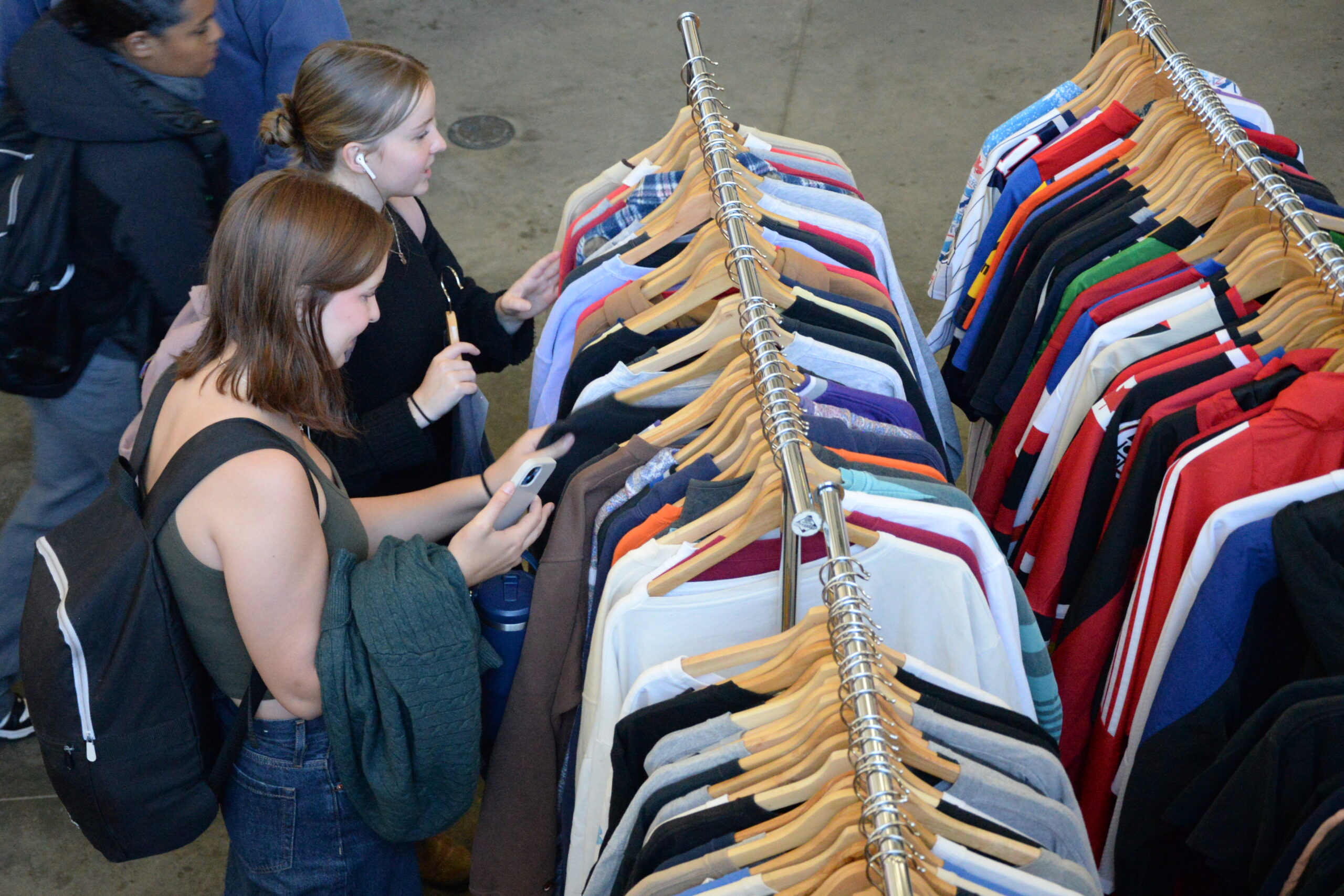
With the skyrocketing popularity of thrifting and secondhand shopping, it may be confusing where to begin in the new market for rookie customers. From tips and tricks, where to shop, and comparisons of prices and quality to joining the business community, here is everything you need to know when navigating Ottawa’s secondhand clothing market.

Tips and tricks
The million-dollar question stands; how do you successfully thrift and secondhand shop? Here are five life hacks to make your thrifting adventures more efficient and enjoyable.
1. Plan ahead
Know before you go. Think about the colours, materials and styles you want to wear. Everyone has impulsively purchased something and realized they could not style it. If you cannot picture an outfit with the item, do not purchase it. There could be something better waiting for you in the next aisle.
Kim Seida, owner of Feline Thrifty Shop, advises to take it one aisle at a time.
“Do not get overwhelmed by the chaos. It can be difficult to see anything when you’re seeing everything,” said Seida.
Brooke Kippenhuck, a long-time thrifting enthusiast, warns shoppers to refrain from impulse buying.
“If you aren’t positive you would wear it or use it, then don’t buy it. When I first started thrifting, I noticed I ended up with a lot of clothes that I didn’t really like. It was cute at the thrift store, but then when I got it home, I couldn’t picture it making a cute outfit,” said Kippenhuck.
2: Additional research
Compare retail prices to secondhand and thrift stores. We have all seen the retail prices of the infamous Aritzia hoodies. Usually, you can find this brand and others secondhand for up to 60-70% off. Online shopping platforms such as Poshmark and Depop are popular applications.
Kippenhuck stated that googling the retail price is a great method to check how discounted the item is.
“If you feel like the listed thrift price is high, always research the retail price to make sure it’s a good deal,” said Kippenhuck.
Chloe Mok, a vintage clothing shopper, mentions that doing extra research goes a long way.
“Whenever I want to buy something, I will try to see if I can find cheaper options for the same brand and item on different apps such as Facebook, Depop or Instagram,” said Mok.
3. Shop on your terms
Make the time to go on the scavenger hunt and do not rush. Sometimes, there are hidden gems in the wrong aisle. If you donate to a thrift store, an employee will give you a coupon. If you create an account with the rewards programs, you will receive emails with dates of sales.
Kippenhuck recommends checking everywhere at the thrift stores.
“Look through all sizes at the thrift store. Smaller or bigger sizes end up in the wrong section and it could be a good find. Sometimes the small thrift stores that you think wouldn’t have many items of value have the best items,” said Kippenhuck.
Robin Schaffer, a vintage enthusiast, suggests taking your time to shop for yourself.
“Go when you have lots of time so you don’t have to rush looking through. If you like it and have a vision, buy it. Even if it’s not popular or trending at the moment, buy the item because you like the item, not the brand,” said Schaffer.
Lily Piggott, an optimistic thrift shopper, emphasizes trusting the process when thrifting.
“Not every thrift trip will be a huge success. Don’t feel discouraged if you don’t have this amazing thrift haul after the first go,” said Piggott.
4. No measurements, no problem
Measure and know your waist measurement for pants using the arm and neck hack. It sounds odd but it works and there is no need for a measuring tape. This technique is used for pants, skirts and dresses.
Wrap the waist of the jeans around the neck. If the ends of the pants do not reach each other, it is too small; if the ends overlap, it is too big. The goal is to have both ends of the pants touching comfortably.
Put the elbow on one side of the pants and try to fit your arm in for the arm hack. If you cannot fit the arm, it is too small; if it does not reach, it is too big.
The diameter from the elbow to the knuckle and the circumference of the neck are half the size of your waist. If the neck’s circumference and the diameter from the elbow to the knuckle is 15 in., the waist measurement is 30 in.
5. Attention to detail
When thrifting, it is just like a game of I Spy. Having a keen eye is important to find the hidden treasures. Vintage clothing always has unique tags that are less recognizable than today’s brands. When you find some goodies, check that they are in good condition. Keep an eye out for stains, tears or pilling; if there are any, do not buy it.
Comparing prices and quality
Selecting second-hand items takes some skill and patience, but once you find the right piece, its value far surpasses anything from fast fashion brands.
Kippenhuck believes that when it comes to value for money, vintage clothing and secondhand items often outshine today’s fast fashion in both quality and price.
“From my experience, the best clothes I have are from a thrift store. You can get it for a quarter of the price and it’s usually better quality,” she said. “Plus it’s better when you can give your money to a thrift store that gives back to the community.”
Quality is one of the most appealing features of vintage clothing. Unlike modern fast fashion, which often prioritizes production speed and cost over craftsmanship, vintage pieces are built to last.
You might have had a similar experience—snagging a $169 winter coat for just $79 during a fast fashion brand’s sale, for example. Excited, you rush to the cashier, eager to claim your find before someone else does. But just a month later, that once-polished, elegant coat is covered in pilling. You check the fabric tag—65% polyester. Disappointed, you shove it to the back of your closet, where it lies forgotten.
Vintage clothing, on the other hand, is often made to last.
Schaffer highlights the craftsmanship gap between past and modern clothing production.
“Vintage clothing has amazing quality and craftsmanship. It was built to last like anything was back in the day including machines. People took time to find the right materials that would keep well over the years and took the time to create them to last as well so it’ll for sure always have a longer shelf life,” he said. “You can feel the difference when you compare it to mass-produced.”
Many thrift shoppers and vintage enthusiasts in Ottawa also emphasize the environmental impact of their choices.
While fast fashion offers trendy styles at low prices, the hidden costs are significant. Poor fabric quality means these garments wear out quickly, contributing to massive waste.
According to a 2020 survey by Statistics Canada’s Physical Flow Account for Plastic Material, Canada purchased nearly 290 kilotons of synthetic textile products, such as those made from polyester, nylon, polyvinyl chloride (PVC) and acrylics. In the same year, approximately 280 kilotons were discarded as waste.
Mok believes that buying secondhand is a smarter choice both financially and environmentally.
“Thrift stores have better quality items. You can choose better brands at a cheaper price,” said Mok. “Vintage clothing quality is better. Fast fashion might be cheap but the quality is not worth the price because it won’t last a long time.”
A basic T-shirt from a fast fashion brand might cost $15 to $25, but after just a few washes, it could lose its shape, fade, or develop holes. In contrast, a vintage or secondhand alternative from a thrift store may cost the same or even less yet last significantly longer due to its superior fabric and craftsmanship.
Seida shared her perspective on the hidden costs of fast fashion.
“Fast fashion ends up costing you and not to mention the planet so much more. Often buttons fall off, zippers break and fabrics pile,” Seida said. “Any blend of two or more materials is highly likely to pill whereas something like pure cashmere or pure wool is going to last a very long time before starting to pill.”
Not all vintage clothing is superior to modern garments, and not every thrift store finds it worth purchasing. However, in many cases, shoppers find that their secondhand purchases last longer and maintain their overall quality better than fast fashion items.
For those looking to build a stylish, unique, and durable wardrobe at an affordable price, thrifting and vintage shopping may be the best option.
Where to thrift and shop secondhand
After mastering the art of picking the perfect vintage pieces, you’re ready to dive into a shopping spree. But with so many stores in Ottawa, do you ever feel a little overwhelmed?
Don’t you worry! With a bit of patience and exploration, you will discover some amazing vintage gems. To make things easier, here are three unique vintage shops that will take your thrifting experience to the next level!
Goody Mart
Goody Mart is a charming vintage store with a warm and welcoming atmosphere. It is located just a step away from downtown Ottawa. The owner has been passionate about vintage fashion since 1999 and dedicates time to curating unique second-hand pieces that stand out.
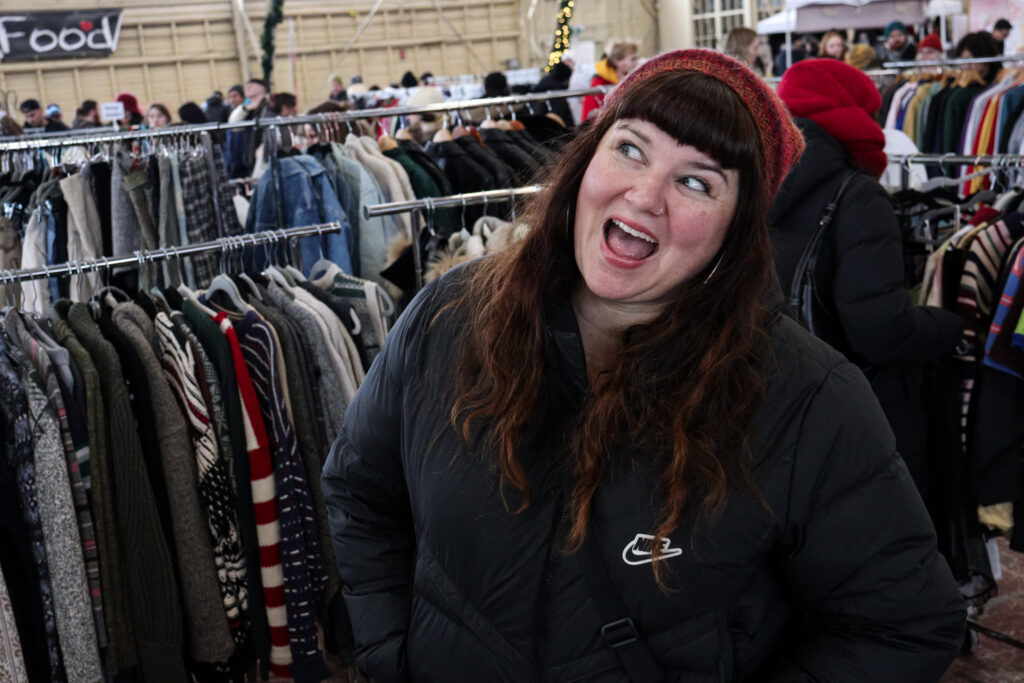
“People could expect to find unique things, like plus size items,” said Kim Cassell, the owner of Goody Mart. “The price will be accessible because I like finding lower priced items so that people that come in that don’t have a lot of money can still leave with something.”
Stepping inside, you’ll find rare vintage pieces, like plus-size vintage clothing, which is hard to find in the thrift market. Instead of synthetic materials, the owner will select natural fibre fabrics like cotton, silk, and wool over synthetic materials due to their comfort and quality.
Plus, the store is committed to offering affordable pricing, so even those on a budget can walk away with something special.
The shop’s vibe is equally distinctive. They have cozy sofas, cool posters on the walls and little fun trinkets. It creates a space that feels like you are transported back into your teenage bedroom.
You can visit Goody Mart at 593 Bank St. and 141 Preston St.
Baroque Vintage
Baroque Vintage is run by Julia Di Frederico and specializes in 80s, 90s, and early 2000s fashion. You might also find some rare pieces from the 50s.
“You would expect to find true vintage pieces that date back all the way to the 50s sometimes but mostly specialize in 80s and 90s,” said Julia Di Federico, the owner of Baroque Vintage. “high-rise jeans or baggy jeans, leather jackets, knit sweaters, cool tops or velvet dresses and lingerie.”
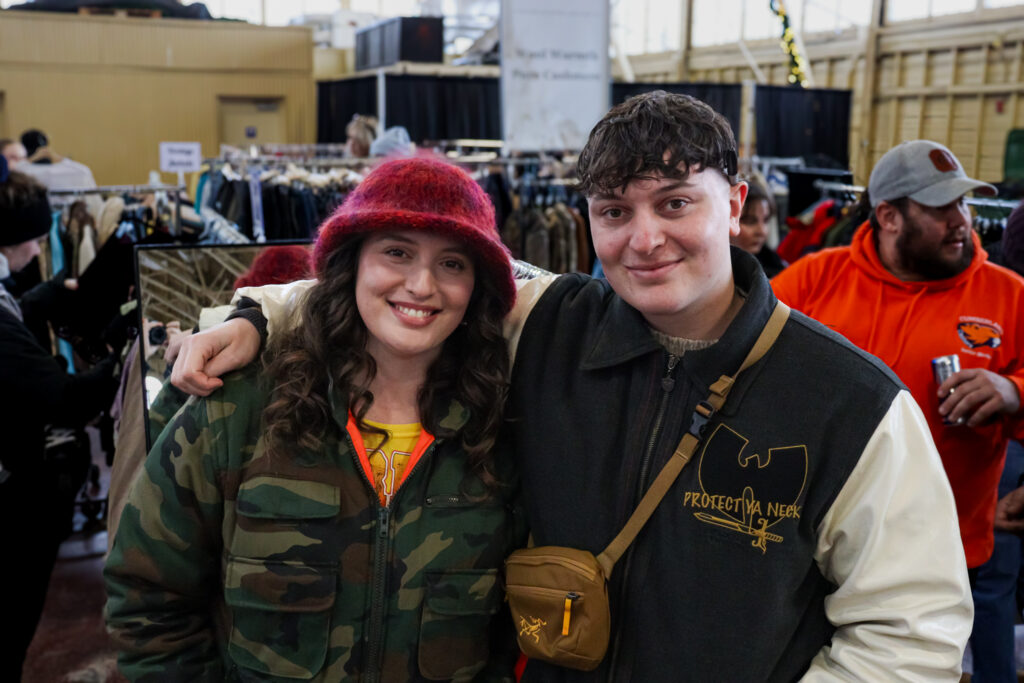
The shop offers the most sought-after vintage styles, including various cuts of jeans, leather jackets, knit sweaters, velvet dresses, and vintage lingerie.
Unlike many second-hand stores that rely on wholesale suppliers, Baroque Vintage handpicks every single piece. Each item is carefully selected, ensuring not only a unique and highly personalized collection but also high-quality vintage fashion.
Baroque Vintage does not have a physical store for now, but you can keep up with them on Instagram (@vintage_baroque) to see their latest collections and find out where they’ll be popping up next!
Phly Supply
Phly Supply is run by Peter Mak. If you love vintage sportswear and hype streetwear, Phly Supply is a must-visit. The store has brands like Stüssy, Travis Scott, and OVO. They also had classic retro brands such as Northern Reflections, Tommy Hilfiger, and Polo Ralph Lauren.
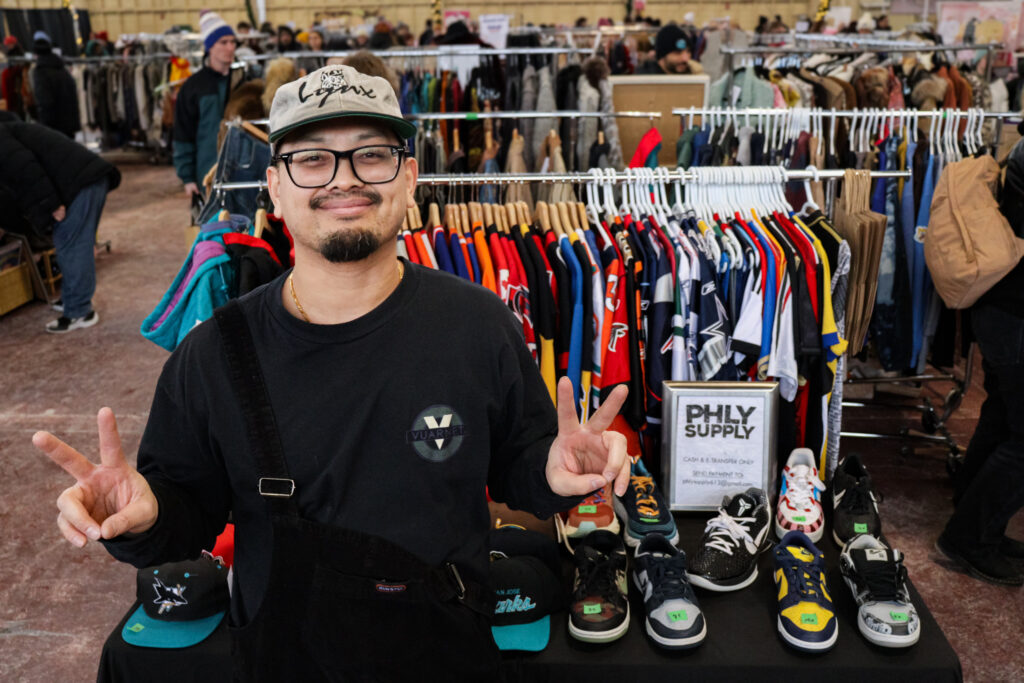
“Customers who visit the shop will always find vintage sportswear and hype streetwear,” said Peter Mak, the owner of Phly Supply. “I put a lot of effort into curating a particular drop I try and put out.”
What sets Phly Supply apart is the incredible effort put into each curated drop. The owner is highly selective and always plans new products based on festivals. For example, during last year’s Ottawa Christmas market, they dropped the 3D knit sweater collection, which perfectly matched the festive season.
Phly Supply is more than just a shop, it is also a reflection of the owner’s style—every piece in the store is something they would want to wear.
If you want to stay updated on their latest pieces and upcoming events, be sure to check out their Instagram page (@phlysupply) —they regularly post new arrivals and exciting updates!
Interactive map of where to thrift/shop secondhand in Ottawa
How to get started in the thrifting business
Now, you are an expert thrifter in Ottawa. Want to make some dough out of it? Here’s a guide to getting started in the thrifting business.
Discovering the Thrifting Community
Many thrift business owners find their way into the industry through personal passion or family influence. Thorfan Thoeun, owner of Konkhmer Vintage, credits his mother for his love of vintage clothing.
“My mom used to be a vintage seller when I was a kid, and I’d go sell with her every weekend. It stuck with me,” Thoeun said. Now, as an adult, he’s turned that passion into a business, inspired by his Cambodian heritage.
Social media also plays a key role. Thoeun said local events through Instagram and appreciated seeing like-minded people “coming together and showing their passion.” Platforms like Instagram, Facebook, and TikTok are excellent places to connect with the thrifting community and discover markets or pop-up events.
Sourcing Inventory
Finding unique and valuable pieces is the foundation of a successful thrift business. Mark Sola, owner of Thrift Sola, emphasizes consistency. “It’s not every day you’re going to find something. The more you go, the more likely you are to find hidden gems.”
Sourcing opportunities include:
- Thrift stores
- Estate sales
- Garage sales
- Facebook Marketplace
- Wholesalers (for those looking to scale up)
Kimberly Cassell, owner of Downtown Underground and Goody Mart, highlights the importance of building relationships. “Make friends with everybody. You never know who has a cool basement or hidden treasures,” she said. She also suggests going early and often to find the best items.
Selling Platforms and Strategies
When it comes to selling, there are several avenues to consider:
- Markets and pop-ups: Great for building relationships with customers and showcasing your styling skills.
- Online Platforms: Depop and Grailed are popular for vintage and trendy pieces, while eBay is ideal for high-value items. Facebook Marketplace can be useful for bulk sales or common items.
Cassell prefers in-person sales for their interactive nature. “I like selling in person because you get to know people, help them style pieces, and upsell. Online sales can feel more impersonal.” However, during COVID-19, she adapted to online platforms and found them to be profitable.
Challenges in the Thrifting Business
The thrifting market has grown increasingly competitive, with more people thrifting both as consumers and sellers. “I’m not just competing with other thrifters,” Sola said. “I’m competing with regular people who thrift for personal use.”
Cassell identifies the organization as another challenge. Managing inventory across stores, markets, and online platforms can be overwhelming. Her advice? Stay organized and create a system to track where items are listed or stored.
Tips for Success
- Be consistent: Frequently going to thrift stores and sales regularly increases your chances of finding valuable items.
- Stay authentic: “Don’t fall into trends,” said Cassell. “Lean into what brings you joy and what you genuinely love to style.”
- Price wisely: Overpricing can deter customers. Thoeun suggests making items affordable to attract more buyers.
- Build relationships: Whether it’s with fellow thrifters, wholesalers, or customers, networking can open doors to new opportunities.
- Adapt to changes: The market evolves quickly, and staying flexible is key. Trends shift, and once valuable items may lose their appeal.
The Rewards of Thrifting
Despite the challenges, many sellers find immense satisfaction in their work. For Sola, the most rewarding part is being able to make a living while bringing excitement to customers who find unique pieces. “Being able to pay for groceries and bills through this business is truly rewarding,” he says.
Whether you’re drawn to thrifting for fashion, sustainability, or entrepreneurial potential, these tips and insights from experienced sellers can help you navigate your way into this exciting community. Remember to stay consistent, authentic, and adaptable—and don’t forget to enjoy the hunt for hidden gems!




Leave a Reply